
Shafts & Couplings
Turned and ground shafts, spindles and couplings with controlled diameters, runout and keyways.

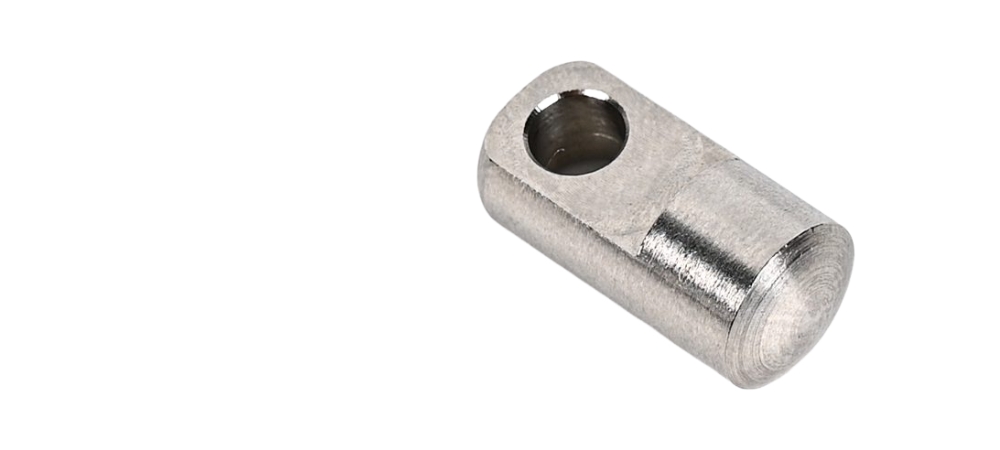
Reliable custom-machined components for industrial machinery, equipment integration, maintenance, and mechanical assemblies.
These examples are selected from Xinruimei's own part and tooling photo library. Industrial machinery uses a wide range of custom metal parts — from shafts and housings to gear components and machine bases. For a replacement part, the key is getting the interfaces right so it fits the existing assembly. Final feasibility depends on the drawing, tolerance, material, quantity, and inspection requirements.
Turned and ground shafts, spindles and couplings with controlled diameters, runout and keyways.

Housings with precise bearing bores, bolt patterns and datum faces for smooth rotation.

Hobbed and machined gears, pulleys and transmission parts controlled for tooth quality.

Flat, rigid base plates and frames with datum surfaces and mounting patterns.
We also machine impellers, valve components, pump parts and replacement wear components. Send the drawing or a measurable sample for review.
Machinery parts combine rotating elements, housings and gear features that must wear well and fit tightly. The in-house route is selected per part from turning, milling, gear cutting, wire EDM and grinding.
MAZAK lathes and cylindrical grinding for shafts, spindles and bearing journals with controlled roundness and runout.
Housings, bases and brackets from billet with accurate bores, faces and threaded features.
Hobbing and gear cutting for transmission parts; wire EDM for hardened steel and precise internal slots.
Hardening coordinated for wear parts, with grinding after treatment and surface finishing as required.
The material choice balances strength, wear, toughness and cost for each running and structural position in the machine.
S45C, 4140 and similar for shafts, gears and housings, often hardened and ground.
S136H and similar for wear-resistant machine and fixture components with good polishability.
Light housings, brackets and machine bases where weight and machinability matter.
Corrosion-resistant machinery and food/chemical processing components.
Bushings, sliding parts and fittings with low friction and good machinability.
POM, nylon and PEEK for low-friction gears, bushings, guides and wear parts.
These are the details that most affect wear, fit and long-term reliability in machinery — and the points we confirm before quoting.
Shafts and bearing journals need controlled roundness and runout for smooth, low-vibration rotation.
Tooth geometry, spacing and backlash affect load and noise. Gear machining and inspection are controlled to spec.
Bearing bores and seats must be within fit class to hold bearings without play or excessive interference.
Hardened parts can distort. We allow grinding stock and finish after treatment to recover final dimensions.
Running and sliding parts need correct material and hardness for service life.
Replacement parts must match the existing assembly. We confirm interface dimensions before machining.
Providing clear project information helps the team review manufacturability and prepare a more accurate quotation within 12 hours.
Email Your RFQ ↗Add your actual file-upload form or CRM form here when deploying.
Answers below are a starting point. We confirm project-specific tolerances, documentation, lead time, and compliance requirements before accepting an order.
Yes. Provide the existing drawing or a measurable sample and we review the requirements, confirming interface dimensions before machining.
Yes. We machine and inspect gears, pulleys and transmission components, controlling tooth quality and backlash to spec.
Yes. Hardening is coordinated with qualified partners, with grinding after treatment to recover final dimensions.
We routinely hold ±0.01 mm on machined features and can reach 0.00394 inch on suitable geometries, with bearing journals ground and inspected to fit.
Send your 2D/3D files or sample details. Standard RFQs are quoted within 12 hours with engineering feedback.
Send the drawing or sample details, material, quantity, target delivery date, and any must-hold dimensions. We will review the scope before quoting.
 English
 Chinese