
A Practical RFQ Checklist for Custom Machined Parts
A structured enquiry makes it easier to assess feasibility, clarify requirements and prepare a useful quotation. The core files Send a readable 2D PDF drawing and, when available,...
Read More →
A structured enquiry makes it easier to assess feasibility, clarify requirements and prepare a useful quotation. The core files Send a readable 2D PDF drawing and, when available,...
Read More →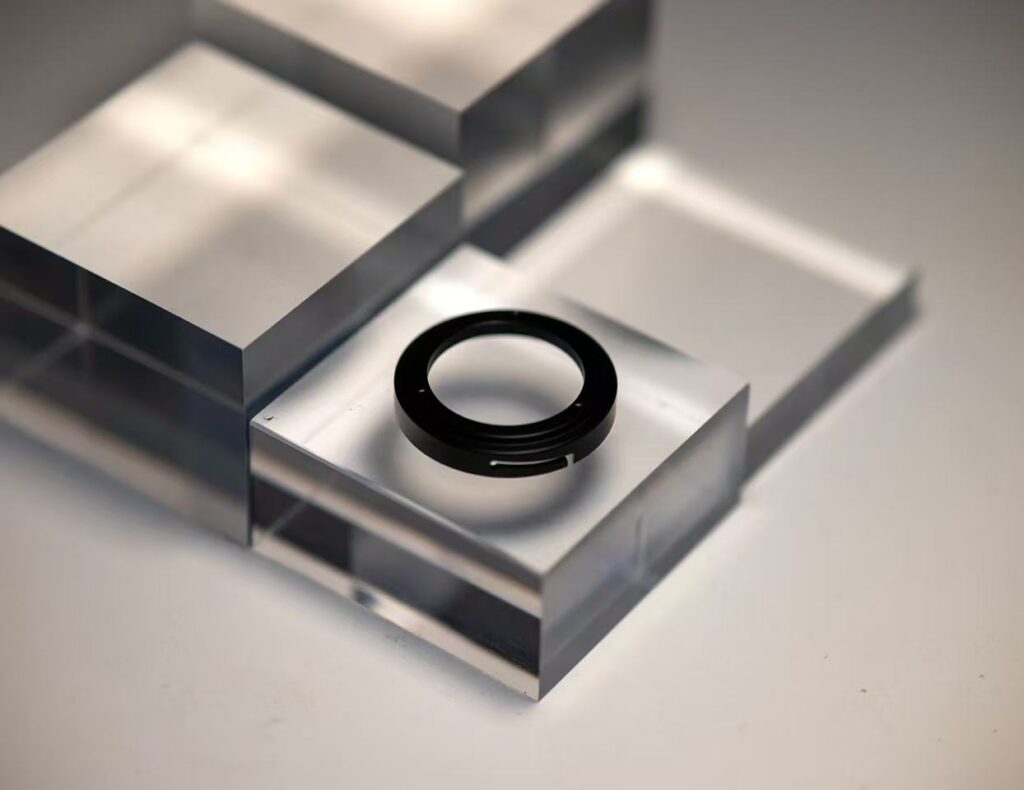
Edge condition and finish can affect assembly, handling, appearance, sealing and downstream processing. Burrs are a process issue, not just...
Read More →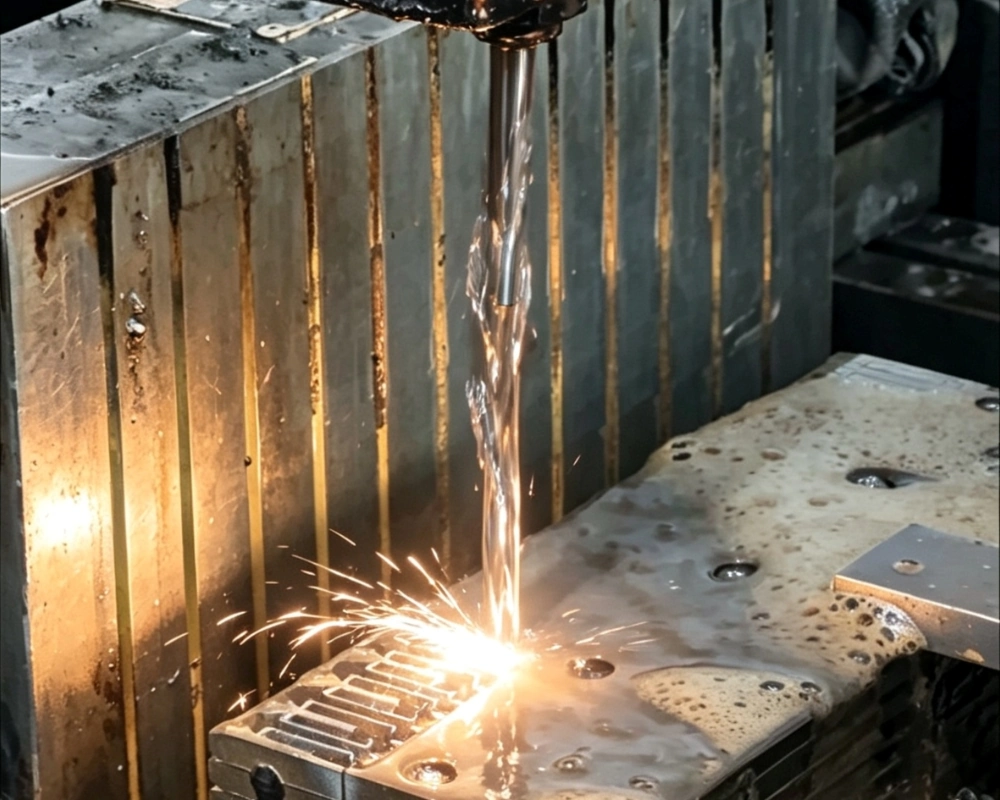
Wire EDM uses an electrical discharge process to cut conductive materials and can be useful for certain profiles, slots and hardened components. Different processes...
Read More →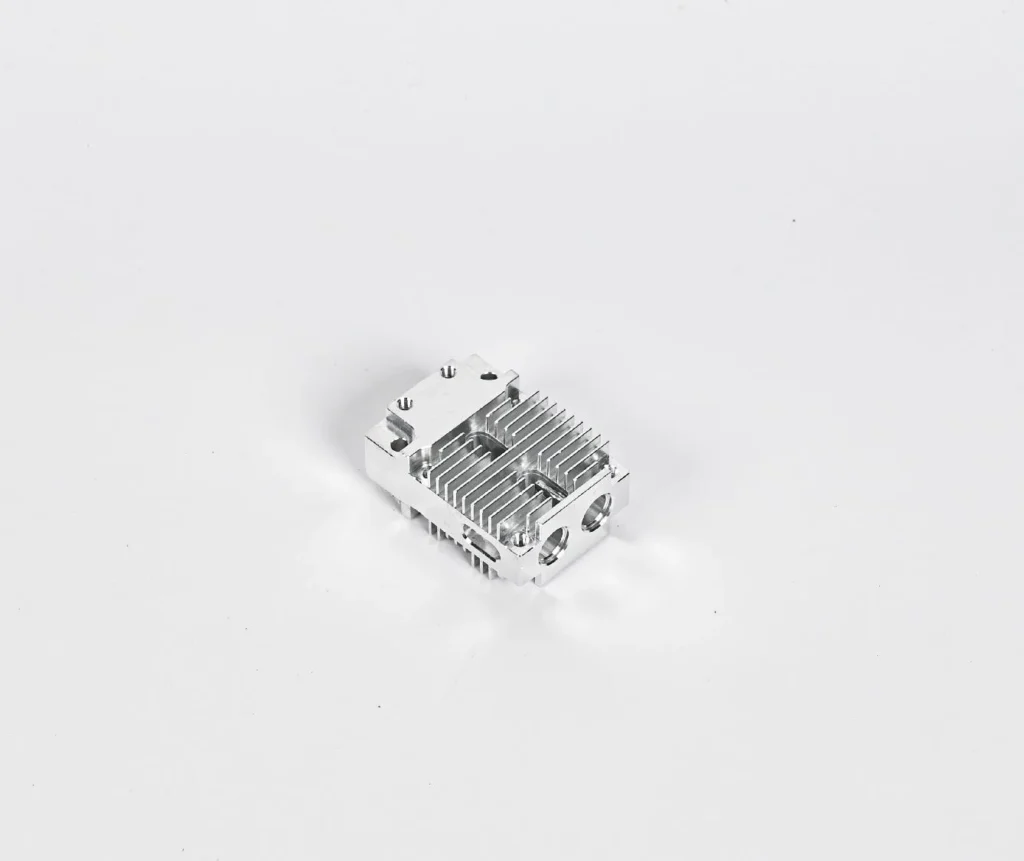
Corner radii, deep pockets, thin walls and tool access can influence machining time, stability and inspection. Internal corners need tool access A standard milling cutter leaves a radius...
Read More →
Tight tolerances can be necessary—but applying them everywhere may add cost without improving the part’s function. Tolerance describes the allowed variation A dimension on...
Read More →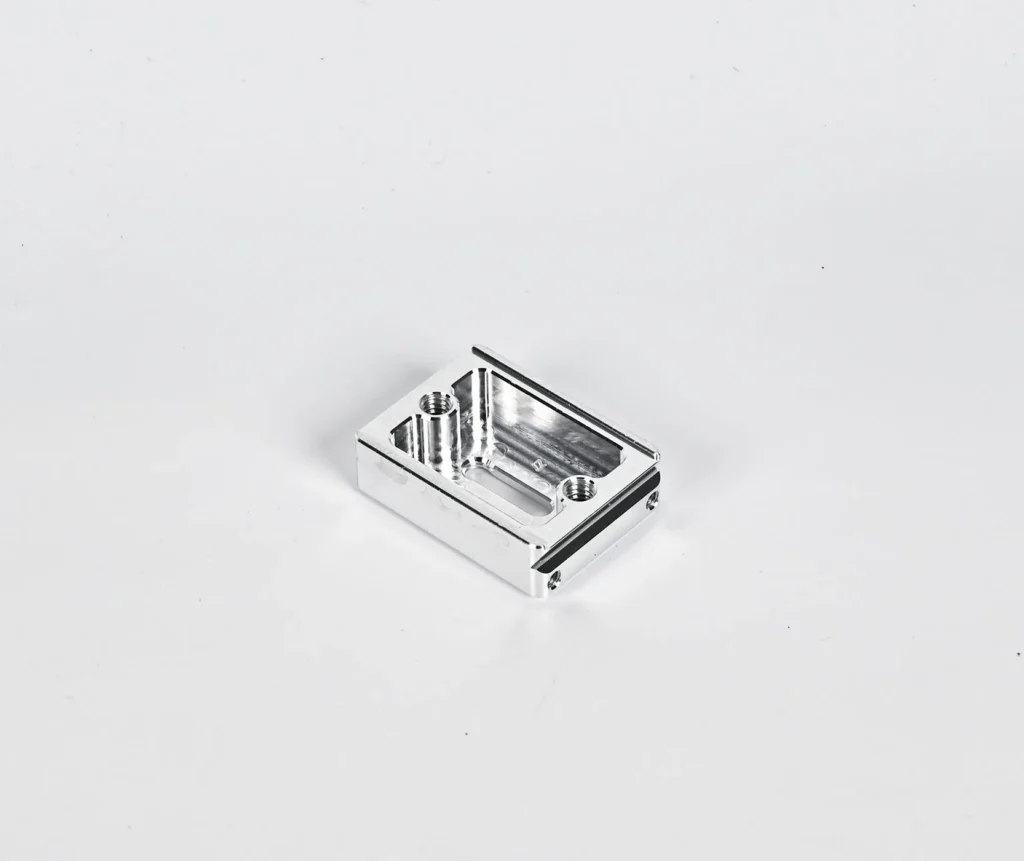
Material selection affects weight, corrosion resistance, stiffness, machining time, finishing and total part cost. There is no universal “best” material Aluminum is often considered when low weight and...
Read More →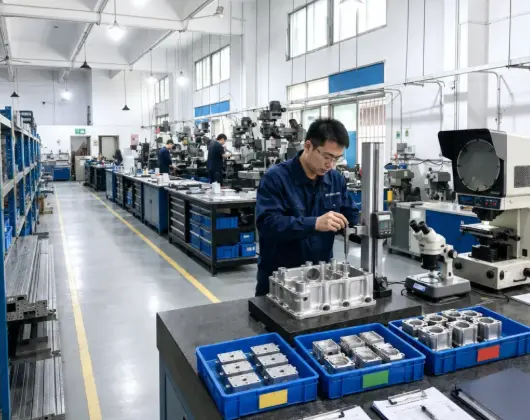
Inspection is important, but quality also depends on drawing review, setup strategy, process choices and clear acceptance criteria. Inspection cannot replace planning A final measurement can show whether...
Read More →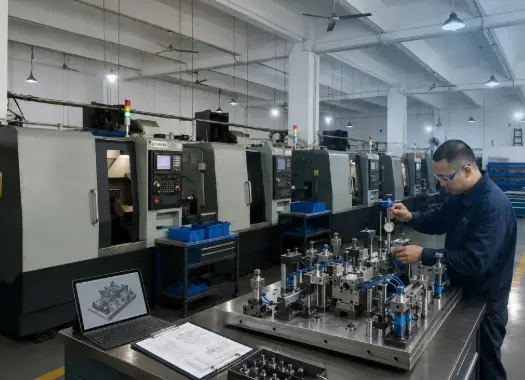
The right information helps machining suppliers review manufacturability, compare options and ask fewer rounds of clarification questions. A 3D model is useful—but not always enough A 3D model...
Read More →
A clear machining project starts with understanding the drawing, material, quantity and critical features—not simply pressing the cycle-start button. A good part begins before machining Good machining work...
Read More → English
 Chinese