
Inspection is important, but quality also depends on drawing review, setup strategy, process choices and clear acceptance criteria.
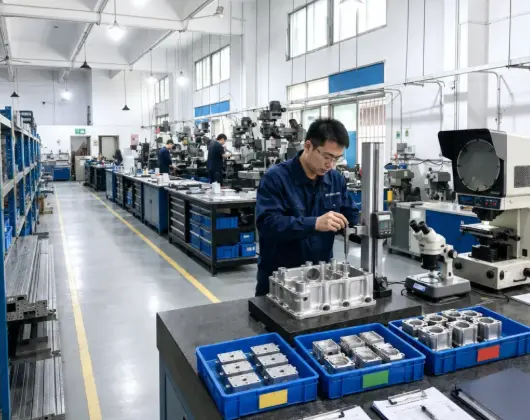
Inspection cannot replace planning
A final measurement can show whether a feature meets its requirement, but it cannot make an unclear drawing clear or correct a poor datum strategy. The most useful quality checks are planned around the features that matter to the part’s function.
Think about how the part will be held and measured
Thin walls, long shafts, deep pockets and parts with several datum relationships may move or behave differently during machining and inspection. Workholding, machining sequence and measurement method should be considered together.
Agree on acceptance criteria early
If a project requires a specific inspection report, material documentation or surface-finish verification, state it in the RFQ. The supplier can then review what is needed before quoting.
Quality is built into the process
Final inspection can identify whether a part meets specified requirements, but it cannot replace a sound process. Quality planning begins with understanding the drawing, selecting suitable material, defining datums and choosing a stable clamping method. During machining, tool condition, cutting strategy, chip evacuation and thermal effects can all influence the result. The relevant controls depend on the part geometry and its critical features.
Measure the features that matter most
A measurement plan should reflect how the part will be used. A locating hole may require a position check relative to a datum, while a mating shaft may need diameter and fit verification. A cosmetic surface may be judged against a finish or appearance requirement. Choosing a suitable measuring tool is important: a tool must have the appropriate range, resolution and access for the feature being checked.
Agree on records before the order starts
Customers may request dimensional reports, material certificates, first-article inspection records or other documents depending on the application. These should be discussed before production, because different records require different preparation and verification. Do not assume that every order automatically includes every type of report. Clearly stating the requested documents in the RFQ helps both sides align expectations.
 English
 Chinese